



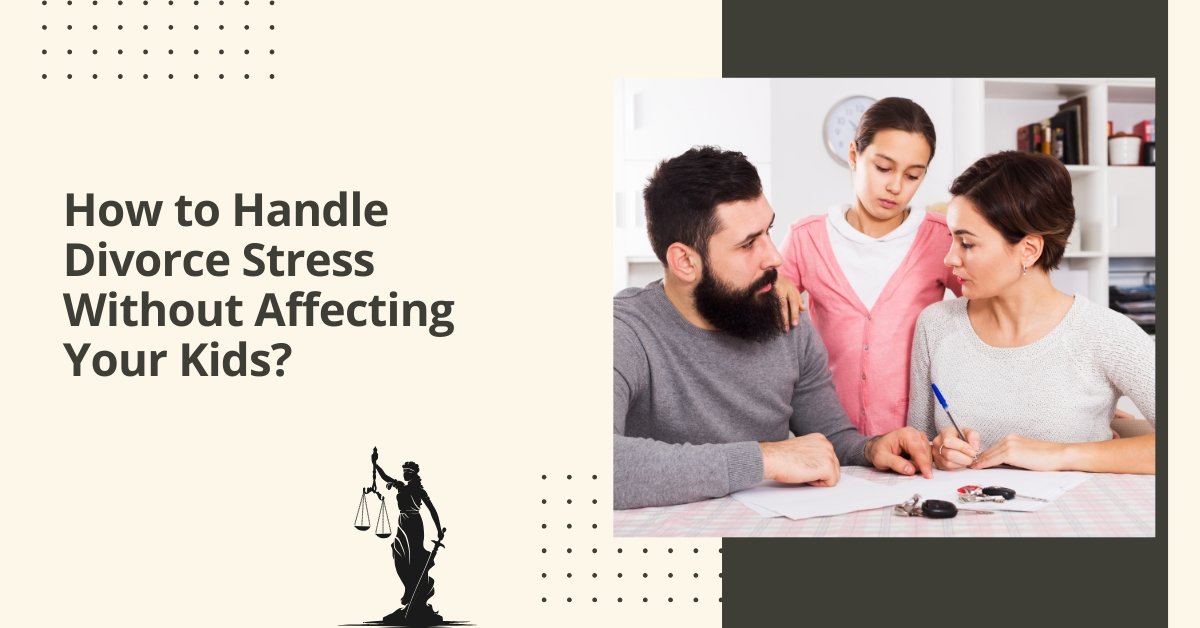
Divorce is a stressful and emotional experience for parents, but its impact often reaches far beyond the adults involved. Children may not fully understand what is happening, yet they can strongly feel the tension, changes in routine, and emotional distance that come with separation.
What truly matters is how parents handle stress, communicate with their kids, and maintain stability during this transition. By staying emotionally balanced, offering reassurance, and keeping children away from conflict, parents can protect their well-being and help them adjust in a healthy and positive way.
Why Your Emotional Stability Matters More Than Perfection?
Emotional stability matters more than perfection because children need safety and consistency, not flawless behavior. During stressful times like divorce, kids closely observe how their parents handle emotions. When a parent remains calm, predictable, and emotionally available, children feel secure even if life around them is changing. Trying to be perfect often leads to stress, guilt, and emotional exhaustion, which children can sense and may internalize as fear or confusion.
Perfection puts pressure on both parent and child, while emotional stability builds trust and resilience. Children learn how to manage their own feelings by watching their parents cope with difficult situations. When you show that emotions can be handled without chaos by staying present, honest, and balanced you teach your child that challenges can be faced safely.
How Divorce Stress Affects Children at Different Ages?
Divorce affects children differently depending on their age, emotional development and ability to understand change. While every child is unique, certain emotional and behavioral responses are common at different life stages. Understanding these age-specific reactions helps parents respond with empathy, patience and the right kind of support.
Infants & Toddlers (0–3 Years)
Children this young may not understand divorce, but they deeply feel stress through changes in routine, tone of voice, and caregiver availability. They rely heavily on emotional cues from parents.
Common reactions include:
- Increased crying or clinginess
- Sleep disturbances
- Separation anxiety
- Regression (bedwetting, thumb sucking)
What helps: Consistent routines, calm caregiving, physical affection, and predictable schedules help toddlers feel safe despite changes around them.
Preschoolers (3–5 Years)
Preschool-aged children often engage in magical thinking, believing their thoughts or behavior caused the divorce. They may struggle to understand why one parent is no longer present every day.
Common reactions include:
- Feelings of guilt or self-blame
- Fear of abandonment
- Mood swings or tantrums
- Regressive behaviors
What helps: Simple, repeated reassurance that the divorce is not their fault, clear explanations using age-appropriate language, and emotional validation.
Early School-Age Children (6–9 Years)
Children in this age group start to understand divorce but lack emotional maturity to process it fully. They may experience conflicting loyalties and worry about the future.
Common reactions include:
- Anger or resentment
- Academic difficulties
- Somatic complaints (headaches, stomach aches)
What helps: Encouraging open conversations, maintaining school routines, allowing them to express anger safely, and ensuring they don’t feel pressured to “choose sides.”
Preteens (10–12 Years)
Preteens often grasp the reality of divorce more clearly and may internalize emotions. They may worry about fairness, responsibility, or family stability.
Common reactions include:
- Anxiety or sadness
- Increased responsibility or parentification
- Behavioral changes
- Decline in self-esteem
What helps: Honest communication without oversharing, emotional check-ins, validating their feelings, and reinforcing that adult problems are not their responsibility.
Teenagers (13–18 Years)
Teens understand divorce intellectually but may struggle emotionally. They are forming identity and relationships, so divorce can shake their trust in stability and commitment.
Common reactions include:
- Anger or emotional withdrawal
- Risk-taking behaviors
- Relationship trust issues
- Questioning beliefs about love and family
What helps: Respecting their independence, keeping communication open, avoiding putting them in the middle of conflicts, and modeling healthy emotional coping.
Signs Your Child Is Struggling and Needs Extra Support
1. Noticeable Behavioral Changes
Sudden shifts in behavior are a common sign of emotional distress in children. A child may become more irritable, aggressive, withdrawn, or unusually quiet.These changes often reflect internal confusion, fear, or sadness that the child does not know how to express verbally. Consistent emotional support and calm responses from parents can help children feel safe enough to open up.
2. Ongoing Emotional Withdrawal or Sadness
When a child appears persistently sad, emotionally distant, or disengaged, it may indicate they are struggling internally. They may cry more often, avoid conversations, or show little excitement about things that once made them happy. Emotional withdrawal is often a coping mechanism for overwhelming feelings such as grief or insecurity. Gentle encouragement, emotional validation, and open communication can help children process these emotions.
3. Changes in Sleep or Physical Health
Emotional stress often shows up in a child’s body. Difficulty sleeping, frequent nightmares, bedwetting, headaches, or stomach aches without a medical cause can all be signs of emotional strain. Maintaining bedtime routines, offering reassurance, and addressing emotional concerns can help reduce these stress-related symptoms.
4. Decline in School Performance or Focus
A child who is emotionally overwhelmed may struggle to concentrate or stay motivated at school. This can appear as falling grades, incomplete assignments, lack of focus, or resistance to attending school. Supporting your child emotionally at home and maintaining communication with teachers can help identify and address these challenges early.
5. Increased Clinginess, Anxiety, or Regression
Younger children especially may become more clingy or anxious during times of family change. They may fear separation, need constant reassurance, or revert to earlier behaviors like baby talk or bedwetting. These responses reflect a desire for safety and stability. Consistent routines, physical affection, and repeated reassurance that they are loved and secure can help ease these fears.
How to Keep Children Out of Parental Conflicts?
Parental conflict during or after divorce can be far more damaging to children than the divorce itself. When children are exposed to arguments, blame, or tension between parents, they often feel anxious, confused, and emotionally unsafe. Keeping children out of adult conflicts is one of the most important steps parents can take to protect their emotional well-being.
1. Children Should Never Be Involved
Children are not emotionally equipped to handle adult problems. When they witness conflict or are pulled into disagreements, they may feel pressured to choose sides, fear losing one parent, or believe they are responsible for fixing the situation. Over time, this can lead to anxiety, guilt, behavioral issues, and difficulty forming healthy relationships.
2. Never Argue in Front of Your Child
Heated conversations, even when they seem minor, can deeply affect children. Raised voices, passive-aggressive comments, or visible tension create emotional stress. If disagreements arise, pause the conversation and address it privately away from children, both in person and on phone calls or messages they might overhear.
3. Do Not Use Children as Messengers
Asking children to pass along messages, documents, or complaints between parents puts them in an uncomfortable and harmful position. It turns them into intermediaries in adult matters and increases emotional pressure. All communication related to schedules, finances, or disagreements should happen directly between parents or through a neutral third party.
4. Avoid Speaking Negatively About the Other Parent
Criticizing, blaming, or mocking the other parent in front of a child even subtly can damage a child’s emotional health. Children often see themselves as connected to both parents, so negative comments can feel like personal attacks. Keep conversations respectful and neutral, even when emotions are high.
5. Set Clear Emotional Boundaries
Children should never become a parent’s emotional support system. Sharing adult frustrations, legal issues, or emotional pain with a child places an unfair burden on them. Instead, seek support from friends, family, or professionals. Children need to feel cared for not responsible for your emotional well-being.
6. Create a Conflict-Free Zone for Your Child
Make it clear that your child’s presence is a conflict-free space. This means no arguing during exchanges, no tense conversations during events, and no emotional displays meant to provoke the other parent. Calm, respectful interactions reassure children that they are safe and protected.
7. Reassure Children Regularly
Children may internalize conflict even when it’s hidden. Regularly reassure them that:
- The conflict is not their fault
- Both parents love them
- They do not need to take sides
- Adult issues are being handled by adults
Consistent reassurance helps reduce anxiety and confusion.
Why Routine and Consistency Help Kids Feel Safe?
Routines give children a sense of predictability during uncertain times. Simple, consistent patterns such as regular meal times, bedtime routines, homework schedules, and visitation plans help reduce anxiety by letting children know what to expect. When life feels unpredictable, routines act as emotional anchors, reminding children that some things remain constant.
Consistency in rules, expectations, and parental responses also builds trust. When children see that both parents provide reliable care and emotional support, they feel secure and less fearful of change. This stability helps regulate emotions, improves behavior, and allows children to focus on learning, play and healthy emotional development.
Moving Forward While Protecting Your Child
Divorce is undoubtedly a life-changing experience, but it does not have to negatively shape your child’s emotional future. Handling divorce thoughtfully also means seeking the right support so that emotional strain does not spill over into your parenting. Clear legal guidance can reduce uncertainty and conflict, allowing you to focus on what matters most your child’s well-being. If you are navigating separation or divorce and want informed, compassionate assistance, consulting the best divorce lawyer in Pune can help you move forward with clarity, stability, and confidence, while safeguarding both your future and your child’s emotional health.
- All Posts
- Child Custody
- Criminal
- Divorce
- Family
- Law
- Property