



Loader Hamer
Loader Pad
Loader Effect
How nris can file for divorce in india a complete guide

How NRIs Can File for Divorce in India

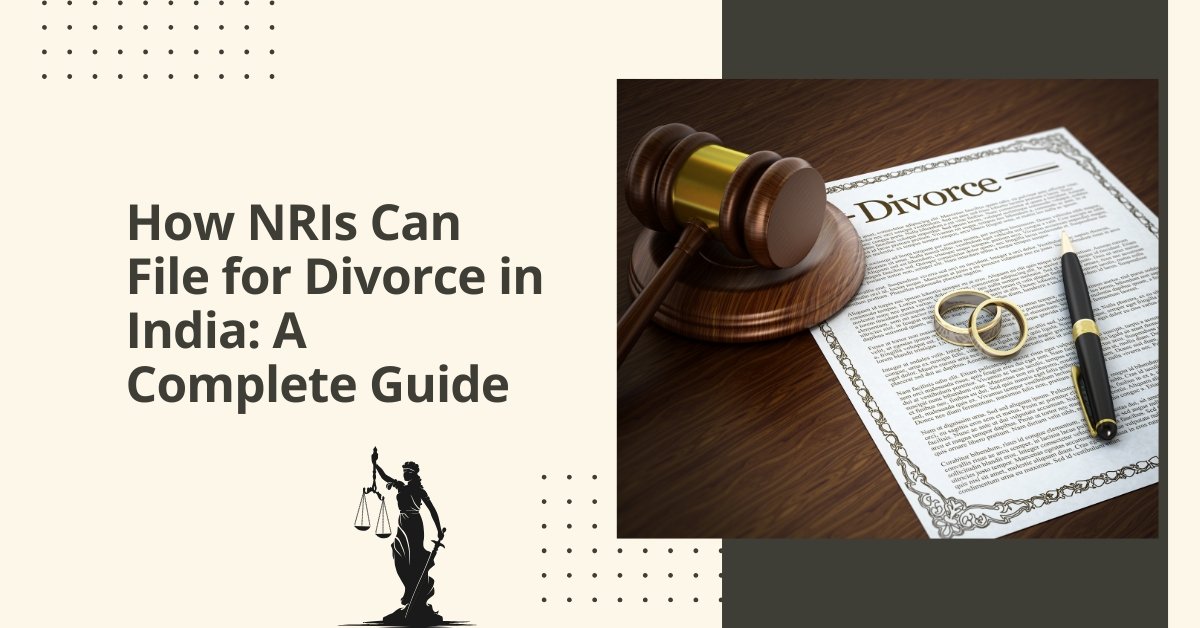
How NRIs Can File for Divorce in India: A Complete Guide Marriage is a sacred bond, but sometimes differences become irreconcilable, leading couples to consider divorce. For Non-Resident Indians (NRIs), filing for divorce can be more complicated due to cross-border legalities, residence issues, and jurisdictional conflicts. Indian courts handle numerous cases where one or both spouses are NRIs, making it important to understand the process, challenges, and solutions for filing divorce in India. This guide explains in detail how NRIs can file for divorce in India, covering the types of divorce, applicable laws, procedures, and legal aspects you need to know. Understanding Divorce Laws for NRIs For NRIs, divorce proceedings are governed by: Indian Personal Laws: Based on religion (e.g., Hindu Marriage Act, 1955; Indian Divorce Act, 1869 for Christians; Muslim Personal Law for Muslims; Special Marriage Act, 1954 for interfaith marriages). Civil Procedure Code (CPC), 1908: Governs jurisdiction and filing rules in Indian courts. Foreign Divorce Judgments: Recognized in India only if they comply with Section 13 of the CPC, i.e., they must not contradict Indian marriage laws. This means an NRI cannot simply obtain a divorce abroad and expect it to be automatically valid in India. If the divorce is granted on grounds not recognized under Indian law, such as “irretrievable breakdown of marriage,” Indian courts may reject it. Types of Divorce Available for NRIs in India Mutual Consent Divorce Both parties agree to end the marriage. It is the simplest and fastest route. The couple must prove they have lived separately for at least one year. Contested Divorce Filed when one spouse disagrees. Grounds include cruelty, desertion, adultery, mental disorder, or conversion of religion. Takes longer, often involving multiple hearings and evidence submission. Jurisdiction: Where Can NRIs File for Divorce? According to Indian law, NRIs can file divorce in India if: The marriage was solemnized in India. The couple last resided together in India. The respondent (other spouse) resides in India. The petitioner is residing in India at the time of filing. If both spouses are living abroad, they may file in the foreign country. However, if they want the decree to be recognized in India, it must not violate Indian laws. Step-by-Step Process for NRIs Filing Divorce in India 1. Hiring a Divorce Lawyer NRIs must hire an experienced NRI divorce lawyer in India. A lawyer helps draft petitions, handle paperwork, and represent the NRI in court. Many prefer seeking guidance from the best NRI divorce lawyer in India to ensure their rights are protected and the case moves smoothly. 2. Drafting the Petition The lawyer prepares the divorce petition stating facts, grounds for divorce, and jurisdiction. For mutual consent divorce, both spouses must sign. 3. Filing the Petition The petition is filed in the appropriate family court where jurisdiction lies. Court fees and documentation must be submitted. 4. Court Notice and Response The court issues a notice to the other spouse. In contested cases, the respondent files a reply or counter-petition. 5. Evidence and Hearings In contested divorce, parties provide evidence such as documents and witnesses. For NRIs abroad, courts often allow representation via Power of Attorney or even video conferencing. 6. Settlement or Decree In mutual consent cases, after the cooling-off period (usually 6 months, sometimes waived), the court grants the decree. In contested cases, the court delivers judgment based on evidence and arguments. Documents Required for NRI Divorce in India Marriage certificate Proof of residence (in India and abroad) Passport and visa copies Proof of last residence together in India Address of the spouse (respondent) Evidence supporting grounds for divorce (if contested) Power of Attorney (if spouse cannot appear in person) Can NRIs File Divorce Without Coming to India? Yes, NRIs can avoid frequent travel by: Granting Power of Attorney to a relative or trusted person in India to represent them. Using virtual court hearings: Many Indian courts now allow video conferencing for NRIs. Filing mutual consent petitions jointly abroad and validating them in India. However, for signing affidavits or statements, the NRI may need to visit the Indian consulate for attestation. Recognition of Foreign Divorce in India Foreign divorce decrees are recognized in India only if: Both spouses voluntarily submitted to the foreign court’s jurisdiction. The divorce was granted on grounds recognized under Indian law. The decision is not against natural justice or public policy in India. For example, if a foreign court grants divorce on “irretrievable breakdown,” Indian courts may reject recognition since Indian law does not accept this as a ground except under special circumstances. Challenges Faced by NRIs in Divorce Cases Jurisdictional conflicts – deciding whether Indian or foreign courts have authority. Enforcement of foreign decrees – Indian courts may not accept all foreign divorce judgments. Child custody and alimony – international custody battles are complex, especially under Hague Convention cases. Travel and expenses – repeated travel to India for hearings can be costly. Delayed proceedings – Indian legal system may cause longer timelines in contested divorces. Tips for NRIs Filing Divorce in India Choose the right jurisdiction before filing to avoid rejection. Opt for mutual consent if possible to save time and costs. Hire a specialized NRI divorce lawyer who understands cross-border legal issues. Use Power of Attorney to reduce travel. Maintain proper documentation for recognition in both India and abroad. Get AI Insights on Above Blog: ChatGPT Perplexity Claude Google AI Mode Grok More than 2 results are available in the PRO version (This notice is only visible to admin users) Most Recent Posts All Posts Divorce Law How NRIs Can File for Divorce in India The Role of a Divorce Lawyer in Child Custody Battles Top 10 Things to Know Before Filing for Divorce Category Divorce (37) Law (9) Explore Our Services Empower Your Future with Expert Legal Guidance. Consult with Leading Divorce Lawyers at Adv.Mayur N. Gajbhiye for Professional, Compassionate Representation, Ensuring a Smooth and Informed Legal Journey. Explore More
Read more
The role of a divorce lawyer in child custody battles

The Role of a Divorce Lawyer in Child Custody Battles

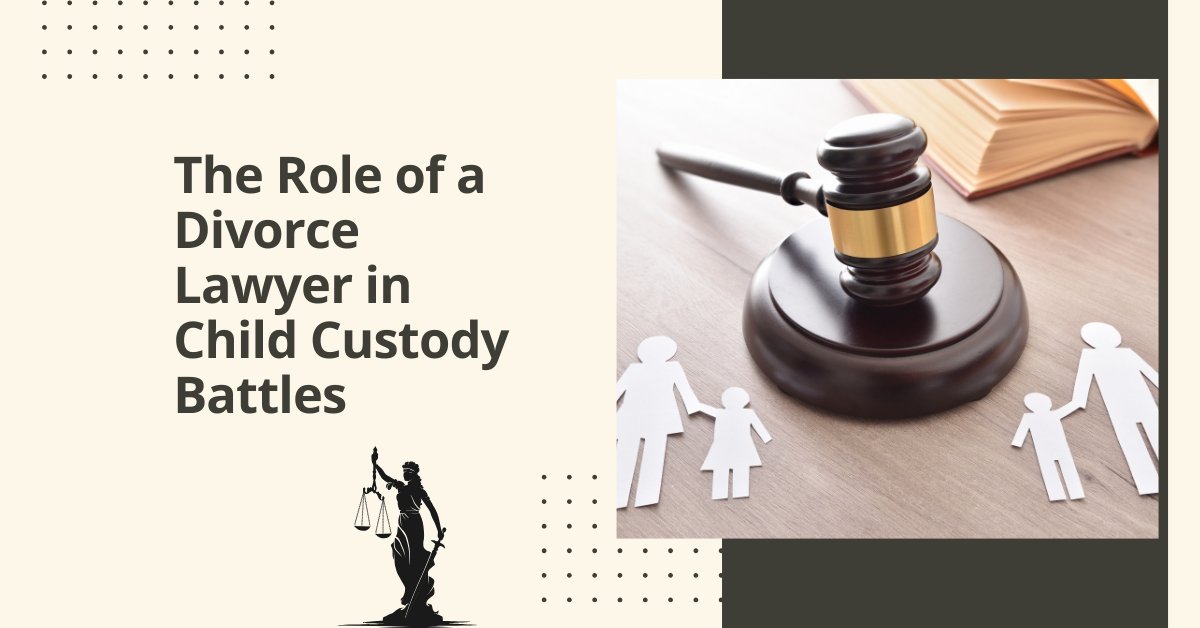
The Role of a Divorce Lawyer in Child Custody Battles When marriages end, few aspects of divorce proceedings are as emotionally charged and legally complex as child custody disputes. During these challenging times, a skilled divorce lawyer serves as more than just legal representation—they become a crucial advocate, strategist, and guide through one of life’s most difficult transitions. Understanding the Legal Landscape Child custody battles involve intricate legal frameworks that vary significantly by jurisdiction. A qualified divorce lawyer brings essential expertise in local family law statutes, precedents, and court procedures. They understand the nuances between different types of custody arrangements, including joint custody, sole custody, physical custody, and legal custody. This knowledge allows them to explain options clearly to their clients and develop strategies that align with both legal requirements and the family’s best interests. The legal system prioritizes the “best interests of the child” standard, but interpreting and applying this principle requires deep understanding of how courts evaluate factors such as parental fitness, stability, the child’s preferences, and existing relationships. Experienced divorce lawyers know how to present evidence and arguments that resonate with judges and demonstrate their client’s commitment to their children’s wellbeing. Strategic Planning and Case Development Effective divorce lawyers approach custody cases with comprehensive strategic planning. They begin by thoroughly assessing their client’s situation, gathering relevant documentation, and identifying potential challenges or strengths in the case. This might involve collecting school records, medical information, financial documents, and character references that support their client’s position as a capable parent. The lawyer’s role extends to anticipating the opposing party’s arguments and preparing counterstrategies. They work to build a compelling narrative that showcases their client’s parenting abilities while addressing any potential concerns the court might have. This strategic approach often proves decisive in achieving favorable outcomes. Negotiation and Mediation Skills Many custody disputes are resolved through negotiation or mediation rather than lengthy court battles. Skilled divorce lawyers excel in these alternative dispute resolution methods, helping parents reach agreements that serve everyone’s interests while avoiding the emotional and financial costs of protracted litigation. During negotiations, lawyers protect their client’s parental rights while remaining focused on practical solutions. They understand that successful custody arrangements must be sustainable long-term and consider factors like work schedules, geographic proximity, and the children’s developmental needs. Their objective perspective often helps emotionally invested parents see beyond immediate conflicts to find workable compromises. Court Representation and Advocacy When cases proceed to trial, divorce lawyers serve as their client’s voice in the courtroom. They present evidence, examine witnesses, cross-examine the opposing party, and make persuasive arguments before the judge. Their courtroom experience and familiarity with local judges and procedures can significantly impact case outcomes. Effective courtroom advocacy requires not only legal knowledge but also the ability to present complex family dynamics in a clear, compelling manner. Lawyers must balance zealous advocacy for their client with respect for the court’s focus on children’s welfare, demonstrating that their client’s custody request truly serves the child’s best interests. Ongoing Support and Future Modifications The lawyer’s role doesn’t end when the initial custody order is established. Life circumstances change, and custody arrangements often require modification over time. Divorce lawyers help clients navigate post-judgment issues, including enforcement of custody orders, relocation requests, and modification petitions when significant changes in circumstances warrant adjustments to existing arrangements. They also provide valuable guidance on compliance with court orders and help clients understand their ongoing rights and responsibilities as co-parents. Finding the Right Legal Partner In child custody battles, divorce lawyers serve as essential advocates who combine legal expertise with strategic thinking and compassionate guidance. They navigate complex legal systems while keeping families focused on what matters most—the wellbeing of their children. By providing skilled representation, strategic planning, and ongoing support, a best advocate specializing in divorce cases can help parents protect their parental rights and work toward custody arrangements that serve their children’s best interests for years to come. More than 2 results are available in the PRO version (This notice is only visible to admin users) Most Recent Posts All Posts Divorce Law Top 10 Things to Know Before Filing for Divorce – Copy Top 10 Things to Know Before Filing for Divorce Protection of Women from Domestic Violence Act 2005 Category Divorce (36) Law (8) Explore Our Services Empower Your Future with Expert Legal Guidance. Consult with Leading Divorce Lawyers at Adv.Mayur N. Gajbhiye for Professional, Compassionate Representation, Ensuring a Smooth and Informed Legal Journey. Explore More

Read more
Top 10 things to know before filing for divorce

Top 10 Things to Know Before Filing for Divorce

Top 10 Things to Know Before Filing for Divorce Filing for divorce is one of life’s most challenging decisions, with far-reaching emotional, financial, and legal implications. Whether you’re contemplating divorce or have already made the difficult choice, being well-informed can help you navigate this complex process more effectively. Here are the ten most crucial things you need to know before taking this significant step. 1. Understand Your State’s Divorce Laws Divorce laws vary significantly from state to state, and understanding your jurisdiction’s specific requirements is essential. Some states are “no-fault” divorce states, meaning you don’t need to prove wrongdoing by either party. Others may require grounds such as adultery, abandonment, or irreconcilable differences. Additionally, residency requirements differ—most states require you or your spouse to have lived in the state for a certain period before filing. Research your state’s laws or consult with a local attorney to understand the specific requirements and procedures that will apply to your case. 2. Gather and Organize Financial Documents One of the most critical steps in preparing for divorce is compiling comprehensive financial documentation. You’ll need tax returns from the past three to five years, bank statements, investment account records, retirement account statements, property deeds, mortgage documents, credit card statements, and records of debts and liabilities. Also gather employment records, including pay stubs and benefits information. Having this documentation organized and readily available will expedite the process and ensure nothing important is overlooked during asset division discussions. 3. Consider the Financial Implications Divorce often results in significant financial changes for both parties. Your household income may be reduced, while expenses like housing, insurance, and childcare may increase. Create a realistic post-divorce budget that accounts for your new financial reality. Consider factors such as spousal support (alimony), child support obligations, and the division of assets and debts. You may need to downsize your living situation, find employment if you haven’t been working, or adjust your lifestyle significantly. Understanding these financial realities early can help you make more informed decisions throughout the process. 4. Explore Your Options: Litigation vs. Alternative Methods Not all divorces need to go through lengthy court battles. Consider alternative dispute resolution methods such as mediation or collaborative divorce, which can be less expensive, faster, and less adversarial than traditional litigation. Mediation involves a neutral third party who helps you and your spouse reach agreements on various issues. Collaborative divorce involves both parties working with specially trained attorneys committed to reaching a settlement without going to court. These approaches work best when both parties are willing to communicate and compromise, but they can save significant time, money, and emotional stress. 5. Prioritize Your Children’s Well-being If you have children, their welfare should be your primary concern throughout the divorce process. Develop a parenting plan that serves their best interests, including custody arrangements, visitation schedules, and decision-making responsibilities. Consider how you’ll handle holidays, school events, and extracurricular activities. Keep children out of adult conflicts and avoid speaking negatively about your spouse in front of them. Many courts require parenting classes for divorcing parents, and family counseling can help children cope with the transition. 6. Secure Legal Representation While it’s possible to handle a simple, uncontested divorce yourself, most situations benefit from professional legal guidance. An experienced family law attorney can protect your rights, help you understand complex legal procedures, and ensure you don’t overlook important issues. If finances are tight, look into legal aid services, limited scope representation, or attorneys who offer payment plans. Remember that the cost of good legal advice upfront can save you money and problems in the long run. 7. Protect Your Credit and Assets Take immediate steps to protect your financial interests. Close joint credit accounts or remove your spouse’s access to prevent them from accumulating debt in your name. Open individual bank accounts and redirect your paychecks and other income. Monitor your credit report regularly and consider freezing your credit if necessary. If you have concerns about your spouse hiding or dissipating assets, document everything and discuss protective measures with your attorney. 8. Plan for Emotional Support Divorce is emotionally challenging, and having a strong support system is crucial for your mental health and decision-making ability. Consider working with a therapist or counselor who specializes in divorce-related issues. Join support groups for people going through divorce. Lean on trusted friends and family members, but be mindful not to burden them excessively. Taking care of your physical health through proper diet, exercise, and sleep will also help you manage stress and think more clearly. 9. Document Everything Keep detailed records of all interactions with your spouse, especially those related to finances, children, or potential misconduct. Save emails, text messages, and voicemails. Document any incidents of domestic violence or threats. Maintain records of child support payments, custody exchanges, and your involvement in your children’s activities. This documentation can be crucial if disputes arise or if you need to modify agreements in the future. 10. Think Long-term, Not Just Short-term While it’s natural to want the divorce process to end quickly, avoid making decisions based solely on immediate relief. Consider the long-term implications of settlement agreements, especially regarding retirement accounts, real estate, and ongoing support obligations. Think about how agreements might work five or ten years from now as circumstances change. Don’t let emotions drive you to accept unfavorable terms just to expedite the process. Making the decision to divorce is never easy, but being well-prepared and informed can help you navigate this challenging time more successfully. Take time to educate yourself, seek professional guidance when needed, and prioritize the well-being of yourself and your children. If you’re in the Pune area, consulting with the best divorce lawyer in Pune can provide you with specialized local expertise and guidance tailored to your specific situation. Remember that while divorce represents the end of your marriage, it can also be the beginning of a new chapter in your life.   More than 2 results are available in the PRO version (This notice is
Read more
Protection of women from domestic violence act 2005

Protection of Women from Domestic Violence Act 2005

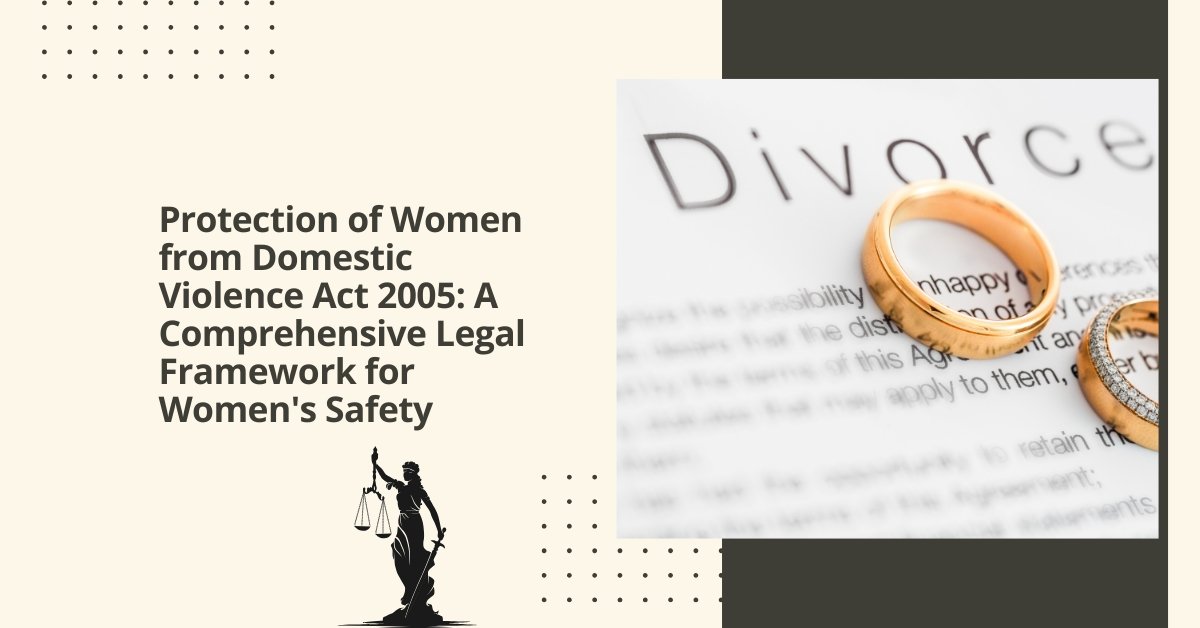
Protection of Women from Domestic Violence Act 2005: A Comprehensive Legal Framework for Women’s Safety The Protection of Women from Domestic Violence Act 2005 stands as a landmark legislation in India’s fight against domestic abuse. This comprehensive civil law provides crucial legal remedies and protection mechanisms for women facing violence within domestic relationships. Understanding this act is essential for both legal practitioners and women seeking protection from domestic abuse. Introduction to the Domestic Violence Act 2005 The Protection of Women from Domestic Violence Act 2005 was enacted by the Indian Parliament and came into force on October 26, 2006. This groundbreaking legislation addresses a critical gap in Indian law by providing a comprehensive definition of domestic violence and establishing a robust legal framework for protecting women from abuse within domestic relationships. Key Features of the Act Broad Definition of Domestic Violence For the first time in Indian legal history, the Act provides a comprehensive definition of domestic violence that extends beyond physical abuse. The legislation recognizes multiple forms of violence including: Physical Violence: Any act causing bodily pain, harm, or danger to life Sexual Violence: Any conduct of sexual nature that abuses or violates the dignity of women Verbal and Emotional Abuse: Insults, ridicule, humiliation, and name-calling Economic Violence: Deprivation of economic resources, disposal of property, or restriction of access to resources Civil Nature of the Law Unlike criminal provisions under the Indian Penal Code, this Act is primarily a civil law focused on providing immediate protection and relief rather than punishment. This approach ensures faster remedies and reduces the burden on victims who may hesitate to pursue criminal charges against family members. Who Can Seek Protection Under the Act? The Act defines an “aggrieved person” as any woman who is or has been in a domestic relationship with the respondent and alleges to have been subjected to domestic violence. This includes: Wife or female live-in partner Sister, widow, or mother of the respondent Women in relationships with shared household arrangements Women who have faced violence from relatives of their partner Types of Relief Available 1. Protection Orders Protection orders are designed to prohibit the respondent from: Committing acts of domestic violence Communicating with the aggrieved person Alienating assets or operating bank accounts Causing violence to dependents or relatives 2. Residence Orders These orders ensure the aggrieved person’s right to reside in the shared household, regardless of property ownership. The court can direct the respondent to: Remove themselves from the shared household Allow alternative accommodation Return personal effects to the aggrieved person 3. Monetary Relief Financial support includes: Maintenance for the aggrieved person and children Compensation for mental torture and emotional distress Medical expenses and loss of earnings Loss caused by property destruction 4. Custody Orders The court can grant temporary custody of children to the aggrieved person, ensuring their safety and well-being during proceedings. 5. Compensation Orders These orders provide monetary compensation for: Mental torture and emotional distress Medical expenses incurred due to violence Loss of earnings due to domestic violence Property loss or damage Role of Protection Officers Protection Officers play a crucial role in implementing the Act by: Assisting aggrieved persons in filing applications Providing legal aid and support services Ensuring medical examination when required Coordinating with shelter homes and support services Executing court orders with police assistance Application Process Filing the Application Applications can be filed by: The aggrieved person herself Protection Officer on behalf of the aggrieved person Any other person on behalf of the aggrieved person For complex cases involving multiple legal issues, it’s advisable to consult with the best divorce lawyer in Pune who can provide specialized guidance on both domestic violence protection and related matrimonial matters. Required Documentation Essential documents include: Identity proof of the aggrieved person Proof of domestic relationship Medical reports (if applicable) Evidence of domestic violence Income proof for maintenance claims For detailed guidance on filing procedures and required documentation, the National Commission for Women provides comprehensive resources and support for women seeking legal remedies. Court Proceedings The Magistrate must dispose of applications within 60 days of filing. Emergency applications can receive immediate attention for urgent protection needs. Support Services Under the Act Service Providers The Act recognizes various service providers including: Voluntary associations Non-governmental organizations Protection Officers Medical professionals Shelter homes Duties of Service Providers Service providers must: Provide immediate medical aid Arrange for safe shelter Facilitate legal assistance Maintain confidentiality of proceedings Support during court appearances Recent Developments and Amendments The Act has seen various judicial interpretations and proposed amendments to strengthen its effectiveness. Courts have consistently emphasized the broad protective scope of the legislation and the need for swift implementation of relief measures. Challenges in Implementation Despite its comprehensive framework, the Act faces several implementation challenges: Awareness Issues Limited awareness among rural women Lack of understanding about available remedies Social stigma associated with filing complaints Infrastructure Gaps Insufficient number of Protection Officers Limited shelter homes and support services Inadequate training for law enforcement Procedural Delays Delays in case disposal beyond the stipulated 60 days Lack of coordination between various agencies Insufficient follow-up on court orders Impact and Effectiveness Since its implementation, the Act has: Provided legal recourse to thousands of women Created awareness about domestic violence rights Established a framework for civil remedies Influenced judicial approach to domestic violence cases Comparison with Criminal Law Provisions While Section 498A of the Indian Penal Code deals with cruelty to women, the Protection of Women from Domestic Violence Act 2005 offers several advantages: Broader definition of domestic violence Civil remedies for immediate relief Protection of women in live-in relationships Comprehensive support services Focus on rehabilitation rather than punishment Future Directions The Act continues to evolve through: Judicial interpretations expanding its scope Proposed amendments for enhanced protection Integration with digital complaint mechanisms Strengthening of support infrastructure Empowering Women Through Legal Protection and Support Under the Domestic Violence Act The Protection of Women from Domestic Violence Act 2005 represents a significant advancement in protecting women’s rights within domestic relationships. While
Read more
Complete guide to divorce under hindu marriage act 1955 grounds, procedure & latest updates 2025

Divorce Under Hindu Marriage Act 1955

Complete Guide to Divorce Under Hindu Marriage Act 1955: Grounds, Procedure & Latest Updates 2025 Divorce under the Hindu Marriage Act, 1955 is a complex legal process that affects millions of Indian families. Whether you’re considering divorce or simply seeking to understand your legal rights, this comprehensive guide covers everything you need to know about divorce laws for Hindus, Buddhists, Sikhs, and Jains in India. Understanding the Hindu Marriage Act 1955 The Hindu Marriage Act, 1955 is a landmark legislation that governs marriage and divorce among Hindus, Buddhists, Sikhs, and Jains in India. The Act provides statutory grounds for divorce and establishes a legal framework for dissolution of marriage. Who Does the Act Apply To? The Hindu Marriage Act applies to: Hindus by religion (including Virashaivas, Lingayats, and followers of Brahmo, Prarthana, or Arya Samaj) Buddhists, Sikhs, and Jains Any person who is not a Muslim, Christian, Parsi, or Jew Converts to Hinduism and their descendants Types of Divorce Under Hindu Law There are two primary types of divorce under the Hindu Marriage Act: 1. Contested Divorce (Section 13) This occurs when one spouse files for divorce against the will of the other spouse, citing specific grounds mentioned in the Act. 2. Mutual Consent Divorce (Section 13B) Both spouses jointly file a petition seeking divorce under Section 13B before the family court, agreeing to dissolve their marriage amicably. Grounds for Divorce Under Section 13 Any marriage may be dissolved by a decree of divorce on specific grounds mentioned in Section 13 of the Hindu Marriage Act. Here are the detailed grounds: 1. Adultery Definition: Voluntary sexual intercourse with any person other than one’s spouse after marriage Evidence Required: Direct or circumstantial evidence proving the extramarital relationship Legal Precedent: Adultery must be proven beyond reasonable doubt 2. Cruelty Physical or mental cruelty that makes it impossible for spouses to live together. This includes: Physical Cruelty: Domestic violence, assault, or physical harm Mental Cruelty: Emotional abuse, harassment, or psychological torture Examples: Constant humiliation, threats, forcing into prostitution, or false allegations For support related to domestic violence, contact the National Commission for Women or call the national helpline. 3. Desertion Continuous period of desertion for two or more years without reasonable cause or consent of the other party. Key Elements of Desertion: Physical separation Intention to desert permanently Absence of consent from the deserted spouse Absence of reasonable cause 4. Conversion to Another Religion Conversion to a religion other than Hindu by either spouse provides grounds for divorce to the other spouse. 5. Mental Disorder Incurably unsound mind or continuous mental illness that makes married life impossible. 6. Infectious Diseases Venereal Disease: In a communicable form Leprosy: Incurable form that makes cohabitation dangerous 7. Renunciation of World When a spouse renounces the world by entering into a holy order (Sanyas). 8. Presumption of Death When a spouse has not been heard of being alive for seven years or more by those who would naturally have heard of them. Special Grounds for Women Under Section 13(2) The Hindu Marriage Act provides additional protection to women through special grounds for divorce: 1. Pre-Act Polygamous Marriage Bigamy – If the husband had another wife living at the time of marriage. 2. Rape, Sodomy, or Bestiality Post-marriage conviction of the husband for these offenses. 3. Non-Resumption of Cohabitation After a decree or order of maintenance, if cohabitation has not resumed for one year or more. 4. Child Marriage Marriage before 15 years of age, with the petition filed before turning 18. Mutual Consent Divorce Under Section 13B Mutual consent divorce requires both parties to agree to dissolve the marriage and involves a two-stage process: Conditions for Mutual Consent Divorce: Separation Period: Both parties must have been living separately for more than one year Mutual Agreement: Both spouses must agree to the divorce Settlement of Issues: Agreement on alimony, child custody, and property division Two-Motion Process: First Motion Joint petition filed by both spouses Statement of facts and grounds Agreements on all ancillary matters Court records statements and grants time for reflection Second Motion Six-month cooling-off period as mandated under Section 13B(2) Either party can withdraw consent during this period If both parties remain committed, the court grants divorce decree Divorce Procedure: Step-by-Step Guide Step 1: Determine Jurisdiction File the petition in the district court where: The marriage was solemnized Respondent resides Both parties last resided together Petitioner resides (if deserted by respondent) To locate the appropriate family court in your jurisdiction, visit the Department of Justice, Ministry of Law & Justice website. Step 2: Prepare and File Petition For Contested Divorce: File petition with specific grounds Attach supporting documents Pay court fees Serve notice to respondent For Mutual Consent Divorce: Both parties jointly file a petition in the appropriate family court Include settlement agreements Submit joint statement It’s crucial to engage the best advocate specializing in divorce cases to ensure proper documentation and legal representation throughout the process. Step 3: Court Proceedings First hearing and case registration Service of summons to respondent Filing of written statement (contested cases) Evidence and cross-examination Arguments and final hearing Step 4: Court Decision Decree of divorce granted if grounds proven Appeal possible within limitation period Recent Legal Developments Supreme Court Recognition of “Irreconcilable Differences” The Supreme Court has recognized ‘irreconcilable differences’ as a ground for divorce under Hindu law, providing more flexibility in divorce proceedings. For detailed Supreme Court judgments, refer to Supreme Court of India official website. Waiver of Cooling-Off Period Recent judgments have allowed courts to waive the six-month cooling-off period in exceptional circumstances where: No chance of reconciliation exists Both parties are educated and understand consequences Mutual consent is genuine and voluntary For the latest legal precedents and case law updates, visit Indian Kanoon. Documents Required for Divorce Essential Documents: Marriage Certificate or proof of marriage Proof of Residence of both parties Income Certificates for alimony calculations Property Documents for asset division Children’s Birth Certificates (if applicable) Medical Records (for cruelty or medical grounds) Evidence of Separation
Read more
Divorce and religion beliefs, laws, and impact

Divorce and Religion: Beliefs, Laws and Impact

Divorce and Religion: Beliefs, Laws and Impact Divorce is a deeply personal decision, but it is also shaped by social, legal, and religious frameworks. In many societies, religion plays a powerful role in defining the values around marriage, the conditions for its dissolution, and the post-divorce life of individuals. Understanding how different religions perceive and govern divorce is crucial for anyone navigating this emotional and legal transition. This blog explores how major world religions view divorce, how religious beliefs intersect with legal systems, and the broader psychological and societal impacts. We also highlight how one can approach divorce with the right legal and emotional support, especially in culturally sensitive environments like India. Understanding the Role of Religion in Marriage and Divorce Religion has traditionally upheld marriage as a sacred institution. Most faiths view it not just as a civil contract but as a spiritual bond blessed by a higher power. Consequently, divorce can be viewed not only as a legal separation but also as a moral or spiritual failure, depending on the religion. This religious lens can influence: The ease or difficulty of obtaining a divorce Gender roles and rights within divorce Remarriage rules post-divorce Social stigma and community perception Let’s take a closer look at how specific religions perceive and regulate divorce. Divorce in Hinduism Hinduism regards marriage as a sacrament (samskara) rather than a contract. Traditionally, it emphasized the lifelong unity of husband and wife, with limited scope for separation. However, modern Hindu personal law, guided by the Hindu Marriage Act of 1955, permits divorce under specific conditions such as cruelty, desertion, mutual consent, and adultery. These legal provisions reflect a more progressive view compared to historical Hindu practices. Yet, in many orthodox families, divorce still carries a heavy stigma. Women, in particular, may face social exclusion or judgment, making it crucial to approach divorce with both legal guidance and emotional resilience. Divorce in Islam Islam acknowledges that while marriage is favored, divorce (talaq) is permissible when necessary. The Qur’an provides clear guidelines for divorce procedures, including waiting periods (iddah), financial maintenance, and attempts at reconciliation. There are various types of divorce in Islamic law: Talaq (by the husband) Khula (by the wife with the husband’s consent) Faskh (judicial annulment) Islam encourages both partners to seek arbitration before opting for separation. However, interpretation and implementation can vary across cultures and sects. In India, Muslim Personal Law governs these matters, though the Supreme Court has outlawed instant triple talaq for being unconstitutional. Divorce in Christianity Christianity traditionally holds marriage as a sacred, unbreakable covenant. While teachings vary across denominations, most encourage couples to work through their differences. Catholicism does not permit divorce but allows annulment under specific conditions, stating the marriage was never valid. Protestant denominations are generally more accepting of divorce, especially in cases of abuse, adultery, or abandonment. Orthodox Christianity permits divorce and remarriage but only under stringent conditions. The moral weight of divorce in Christian communities can lead to internal conflict for believers. Many may seek pastoral counseling or spiritual guidance alongside legal help. Divorce in Buddhism Buddhism takes a more neutral stance on divorce. It does not consider marriage a religious obligation and therefore does not impose spiritual penalties for separation. Compassion and mutual respect are key principles. If a relationship causes suffering or no longer supports spiritual growth, divorce is seen as a practical decision rather than a moral failure. Buddhist countries like Thailand and Sri Lanka have civil divorce laws influenced more by culture and governance than religious texts. Legal vs. Religious Divorce: The Dual Challenge One of the most complex aspects of divorce in religious societies is navigating the difference between legal and religious divorce. In many cases, a civil divorce may not be enough for someone to remarry within their faith or gain community acceptance. For example: A woman legally divorced in court may still need a get (Jewish divorce document) from her husband to remarry within Judaism. In Islam, a khula requires mutual agreement and often arbitration, even if the court grants a divorce. This overlap can delay the healing process or lead to psychological distress. Having the right legal counsel who understands both secular and religious nuances is key. Psychological and Social Impact of Divorce in Religious Contexts The emotional toll of divorce can be amplified in communities where it is frowned upon or rarely discussed. Religious guilt, family pressure, and social isolation often compound the trauma. Some common psychological effects include: Depression and anxiety Loss of spiritual identity or faith crisis Stigma or alienation in community or family circles Pressure to remarry quickly or stay celibate Support groups, therapy, and spiritual counseling can be immensely helpful. It’s important for individuals to rebuild their identity and self-worth without fear of judgment. Navigating Divorce in India: Legal Help Matters India’s diverse population means that religious personal laws heavily influence family matters, including divorce. While secular acts like the Special Marriage Act provide uniform legal procedures, many still opt for divorce through religious channels, which can be complex. This makes it essential to work with legal professionals who understand the intersection of law, religion, and culture. If you’re facing a difficult divorce situation, especially one complicated by religious constraints, seeking the best divorce lawyer in Pune can help protect your rights while respecting your beliefs. A good divorce lawyer can: Clarify your rights under personal or secular law Help manage custody, alimony, and property settlements Handle sensitive negotiations with religious or community leaders Represent you with compassion and cultural awareness Final Thoughts: A Balanced, Respectful Approach Divorce is never easy, especially when religion plays a central role in your life and community. But with the right support—legal, emotional, and spiritual—it is possible to navigate this transition with dignity and hope. Each religion has its own guidelines, but most share a common thread: compassion, responsibility, and the sanctity of human dignity. Whether you are ending a marriage due to incompatibility, abuse, or mutual respect, your journey deserves understanding—not shame. Take time
Read more
How long does it take to get a divorce in pune

How Long Does It Take to Get a Divorce in Pune?

How Long Does It Take to Get a Divorce in Pune? Divorce is never an easy decision, but understanding the process can reduce anxiety and confusion. One of the most common questions people ask is, “How long does it take to get a divorce in Pune?” The answer depends on various factors—mutual consent, contested issues, court workload, and legal preparation. In this detailed guide, we explain the divorce timeline in Pune, the difference between mutual and contested divorce, and key factors that affect the duration, so you can prepare confidently.  Understanding Divorce in India: Pune-Specific Context Before diving into timelines, it’s important to understand how divorce works in India, particularly in Pune. Family disputes in Pune are handled primarily at the Family Court, Shivajinagar, which is a designated court for matrimonial and child custody matters. The divorce procedure in Pune follows Indian marriage laws such as: Hindu Marriage Act, 1955 Special Marriage Act, 1954 Muslim Personal Law Christian Divorce Act, 1869 Parsi Marriage and Divorce Act, 1936 Mutual Consent Divorce Timeline in Pune If both spouses agree to end the marriage amicably and mutually settle matters like alimony, child custody, and property division, they can file for a mutual consent divorce. Step-by-Step Timeline Step Description Estimated Time 1. Cooling-Off Period After separation, spouses must live apart for 1 year (as per law). 12 months 2. Filing the First Motion Petition is filed jointly by both parties. 1–2 weeks 3. First Court Hearing Court examines the petition and may attempt reconciliation. Within 30–45 days 4. Cooling-Off Period by Court Mandatory 6-month waiting period (can be waived in certain cases). 6 months (or waived) 5. Second Motion Filed after 6 months (or sooner if waived). Same day or next hearing 6. Final Decree of Divorce Court passes the final judgment. 1–2 weeks Total Estimated Time: With cooling-off period: 7–8 months If waived: 2–3 months Recent Supreme Court judgments allow courts to waive the 6-month period if there’s no chance of reconciliation. Contested Divorce Timeline in Pune In a contested divorce, one spouse initiates the proceedings without the consent of the other, usually due to cruelty, desertion, adultery, mental illness, or irretrievable breakdown of the marriage. Step-by-Step Timeline Step Description Estimated Time 1. Filing the Petition Filed by one spouse with legal grounds. 1–2 weeks 2. Court Issues Notice Sent to the other spouse. 2–4 weeks 3. Reply by Other Party Must respond to the petition. 4–6 weeks 4. Evidence & Cross-Examination Both sides present evidence and witnesses. 6–12 months 5. Mediation (if ordered) Attempt at reconciliation or settlement. 1–2 months 6. Final Arguments & Judgment Both parties present final arguments. 1–2 months 7. Decree of Divorce Court grants or denies the divorce. 2–4 weeks 🕒Total Estimated Time: Typically: 2–5 years If challenged at higher courts: Even longer (up to 7–10 years in rare cases) Contested divorces take significantly longer due to complex litigation and emotional conflict. Key Factors Affecting Divorce Timelines in Pune Several elements can either speed up or delay your divorce proceedings in Pune: 1. Type of Divorce Mutual consent = quicker Contested = longer, uncertain 2. Court Workload Pune’s Family Court often deals with hundreds of cases monthly. Delays are common due to pending cases and scheduling constraints. 3. Documentation Preparedness Incomplete paperwork = court delays Hiring a good divorce lawyer in Pune can ensure all paperwork is accurate and filed on time. 4. Cooperation Between Spouses The more both parties agree on terms, the faster the process Disputes over alimony, child custody, or property can prolong even mutual consent divorces 5. Lawyer’s Experience A skilled family lawyer knows the legal system in Pune and can streamline the process through proper drafting, negotiation, and timely filing Divorce Filing Locations in Pune Most cases are filed and heard in: Family Court, PuneShivajinagar, Pune – 411005Timings: Monday to Friday, 10:00 AM – 5:00 PMCourt holidays and summer vacations may affect case timelines. 🧾 Required Documents for Divorce Filing in Pune Whether it’s mutual or contested, ensure you have these documents ready: Address proof of both parties Marriage certificate Passport-size photographs Evidence of separation (if applicable) Income and property details Details of children (if any) Mutual agreement (in case of mutual consent) Do You Need a Lawyer for Divorce in Pune? Yes. Whether you’re filing for mutual consent or contesting the divorce, hiring an experienced divorce lawyer is highly recommended. A legal expert will: Draft and file petitions Ensure proper representation in court Help negotiate favorable terms Reduce the risk of delays or rejections Tips to Speed Up Your Divorce in Pune Opt for mutual consent, if possible Prepare all documents before filing Hire a reputed family lawyer in Pune Attend all court hearings without fail Avoid unnecessary conflicts or counter-allegations Request waiver of the 6-month period (if eligible) Expert Insights “We often see that clients delay filing due to emotional hesitation. But once both parties agree to separate, a mutual divorce can be obtained in just 2–3 months in Pune,” says Adv. Mayur N. Gajbhiye, a leading divorce lawyer in Pune. Take the First Step Toward a Peaceful Divorce Ending a marriage is never easy, but the right legal guidance can make the process smoother and stress-free. Whether you’re in Pune, Phursungi, Nimbalkarwadi, Askarwadi, Handewadi, Undri, or Yewalewadi, getting professional advice from a trusted divorce lawyer for men and women in Pune ensures your rights are protected at every step. From filing petitions to handling documentation and court representation, an experienced family law advocate in Pune can help you navigate each stage efficiently. Don’t let delays or confusion complicate your journey — get the clarity and support you deserve. 👉 Take the first step today — consult an experienced divorce law firm in Pune for clear, compassionate, and result-oriented legal assistance near you. Frequently Asked Questions More than 2 results are available in the PRO version (This notice is only visible to admin users) Most Recent Posts All Posts Divorce Law How to Appoint a Divorce Lawyer in India When
Read more
Common myths about divorce law you shouldn’t believe

Common Myths About Divorce Law You Shouldn’t Believe

Common Myths About Divorce Law You Shouldn’t Believe Divorce is one of those topics where myths and misunderstandings seem to spread faster than facts. Whether whispered by friends, shared on social media, or picked up from movies and TV shows, these myths often create unnecessary stress and confusion for people considering divorce. Here’s a look at some of the most common myths about divorce law—and why you shouldn’t believe them. Myth 1: Mothers Always Get Custody of the Children One of the most common misconceptions is that courts automatically favor mothers when it comes to child custody. In reality, modern family courts focus on the best interests of the child, not the gender of the parent. Judges consider factors such as the child’s relationship with each parent, stability, living arrangements, and the ability to meet the child’s emotional and physical needs. Both mothers and fathers can—and often do—receive primary or joint custody, depending on what’s best for the children. Myth 2: You Have to Prove Fault to Get a Divorce Many people still believe that you must prove your spouse did something wrong, like adultery or cruelty, to get a divorce. While this was once true in many places, today most states and countries allow “no-fault” divorces. This means you can file for divorce simply because of irreconcilable differences or a breakdown of the marriage. You don’t need to prove fault, and your spouse doesn’t have to agree for the divorce to proceed. Myth 3: Divorce Always Means Going to Court Divorce often brings up images of heated courtroom battles, but the reality is that many divorces never see the inside of a courtroom. Mediation, negotiation, and collaborative divorce have become increasingly popular because they help couples resolve issues outside of court. These approaches can save time, reduce stress, and lower legal costs while allowing both parties to have more control over the outcome. Myth 4: Assets Are Always Split 50/50 People often assume that marital assets are always divided equally in a divorce. In truth, property division depends on the laws of your state or country. Some places follow “community property” rules, where assets are typically split equally, while others follow “equitable distribution,” where assets are divided fairly but not necessarily equally. The court will look at factors like the length of the marriage, each spouse’s contributions, and their future financial needs. Myth 5: A Cheating Spouse Loses Everything Infidelity is often emotionally devastating, but legally, it usually doesn’t mean the cheating spouse will lose everything. In no-fault divorce states, infidelity typically has little to no impact on asset division or spousal support. In some cases, if a spouse spent large amounts of marital money on the affair, the court might consider that in dividing assets. But overall, courts focus more on fairness and financial realities than punishing someone for moral wrongdoing. Myth 6: Divorce Will Ruin the Children While divorce is undoubtedly hard on children, it doesn’t mean their future is ruined. Research shows that it’s not the divorce itself, but high conflict between parents that harms kids the most. Children do best when parents handle separation with respect, keep communication open, and prioritize the children’s emotional well-being. With cooperation and proper support, many children of divorced parents grow up healthy and well-adjusted. Myth 7: Spousal Support Lasts Forever Some believe that once awarded, spousal support (also called alimony) continues for life. While permanent alimony still exists in limited situations—typically in very long marriages or where one spouse cannot work due to age or disability—most spousal support orders today are temporary. They aim to help the lower-earning spouse become financially independent, and can end after a set period or if circumstances change, like remarriage. Clearing Up the Myths About Divorce Law Believing these myths can make divorce seem scarier and more complicated than it truly is. Every divorce case is unique, shaped by specific facts, local laws, and the choices of both spouses. If you’re facing divorce or just want to understand your options, the best step is to talk to an experienced family lawyer who can explain the reality—not the rumor—of how divorce law works. Speaking to the best divorce lawyer in Pune can help you see your situation more clearly and make informed decisions. Understanding the truth behind these myths can reduce fear, ease uncertainty, and help you approach divorce with clearer expectations and confidence. More than 2 results are available in the PRO version (This notice is only visible to admin users) Most Recent Posts All Posts Divorce Law 10 Things to Do When Your Spouse Asks for a Divorce – Copy 10 Things to Do When Your Spouse Asks for a Divorce What Is a Divorce Decree? Everything You Need to Know Category Divorce (30) Law (2) Explore Our Services Empower Your Future with Expert Legal Guidance. Consult with Leading Divorce Lawyers at Adv.Mayur N. Gajbhiye for Professional, Compassionate Representation, Ensuring a Smooth and Informed Legal Journey. Explore More
Read more
10 things to do when your spouse asks for a divorce

10 Things to Do When Your Spouse Asks for a Divorce

10 Things to Do When Your Spouse Asks for a Divorce Hearing your spouse say, “I want a divorce” can feel like your whole world is collapsing. Shock, sadness, anger, and confusion often arrive all at once. But what you do next can make a real difference to your emotional recovery, your legal situation, and your life moving forward. Here are ten thoughtful steps to guide you through this challenging time. 1. Take a Deep Breath and Pause Before Reacting Your immediate response matters more than you might think. Instead of reacting with anger, pleading, or accusations, take a moment to breathe deeply. Give yourself space to process the words you just heard. This pause will help you avoid making emotional statements that could escalate the situation or complicate future discussions. 2. Allow Yourself to Feel the Emotions It’s okay to feel heartbroken, scared, or even relieved. Divorce isn’t just paperwork—it’s an emotional turning point. Talking openly with a close friend, family member, or therapist can help you release those feelings in a healthy way. Processing these emotions early makes it easier to think clearly about practical next steps. 3. Educate Yourself About the Divorce Process Every country and state handles divorce differently, and learning about the process can give you a sense of control. Research what steps are required where you live—whether it’s filing a petition, mandatory separation periods, or mediation requirements. Knowing what to expect will reduce fear of the unknown. 4. Seek Professional Legal Advice Even if you’re hoping to save the marriage or keep things amicable, consulting a lawyer early is wise. An experienced divorce lawyer can explain your rights, responsibilities, and possible outcomes related to child custody, finances, and property division. If you’re in Maharashtra, you might consider reaching out to the best divorce lawyer in Pune to get practical guidance tailored to your situation. 5. Start Organizing Your Financial Information Divorce often means dividing shared finances, so begin collecting documents like tax returns, bank statements, credit card bills, mortgage papers, and investment records. Having everything ready will make it easier to build a fair financial picture and speed up discussions or negotiations later. 6. Think About Your Children’s Needs First If you have kids, they’ll need your calm support more than ever. Avoid discussing divorce details or conflicts in front of them. Explain gently that things are changing, but reassure them both parents still love them. If possible, talk to your spouse about creating a cooperative plan to help your children feel secure. 7. Review and Plan Your Living Situation Deciding where each of you will live during and after the divorce can be emotional and complex. Before moving out, speak to trusted lawyer leaving the family home too quickly could sometimes affect your legal rights. Explore your options calmly so you’re not rushed into an expensive or stressful housing situation. 8. Explore Mediation or Collaborative Divorce Not every divorce has to be a courtroom fight. Mediation and collaborative divorce approaches focus on open communication and shared solutions. They can save time, reduce legal costs, and protect family relationships. Talk to your spouse about whether a less adversarial process might be possible. 9. Protect Your Digital Privacy In today’s digital world, it’s important to secure your online accounts. Change passwords to personal email, cloud storage, and social media accounts. Make sure shared devices can’t access your private messages or financial details. This isn’t about hiding assets—it’s about safeguarding your personal information during a sensitive process. 10. Focus on Building Your New Future While it’s natural to think about what went wrong, try to look forward too. Consider what you want your life to look like after divorce: your career, living arrangements, hobbies, and relationships. Setting small goals—like enrolling in a class or joining a new community—can bring purpose and positivity to your next chapter. Moving Forward After Your Spouse Asks for a Divorce Being told your spouse wants a divorce can feel devastating, but it can also mark the start of a new phase where you regain control over your life. By pausing before reacting, seeking support, organizing your finances, and getting legal advice, you’re giving yourself the best chance at a balanced and thoughtful path ahead. If you feel overwhelmed, remember you don’t have to handle it alone. Talking to trusted family, friends, a therapist, or experienced divorce lawyer can help you navigate this journey with clarity and confidence. Over time, what feels like an ending now can become the beginning of a stronger, more hopeful future. More than 2 results are available in the PRO version (This notice is only visible to admin users) Most Recent Posts All Posts Divorce Law 10 Things to Do When Your Spouse Asks for a Divorce What Is a Divorce Decree? Everything You Need to Know What Is Grey Divorce? Understanding the Rise in Late-Life Separation Category Divorce (29) Law (1) Explore Our Services Empower Your Future with Expert Legal Guidance. Consult with Leading Divorce Lawyers at Adv.Mayur N. Gajbhiye for Professional, Compassionate Representation, Ensuring a Smooth and Informed Legal Journey. Explore More

Read more

Categories

Decision Are A Professional Attorney & Lawyers Services Provider Institutions. Suitable For Law Firm, Injury Law, Traffic Ticket Attorney, Legacy And More.

Contact Info

+(002) 0121-2843-661
+(002) 0106-8710-594
AR-Coder@arcoder.com
Support@arcoder.com
Menouf City , El-Menoufia, Egypt.
Shibin El-Kom , El-Menoufia, Egypt.

Follow Us

Click to Call