



Loader Hamer
Loader Pad
Loader Effect
How long does a divorce take in india? Complete legal guide

How Long Does A Divorce Take In India? Complete Legal Guide

How Long Does a Divorce Take in India? Complete Legal Guide Divorce is a significant legal and emotional decision, and one of the first questions most couples ask is, “How long does a divorce take in India?” The answer depends on several factors, including whether the divorce is by mutual consent or contested, the complexity of the case, the issues involved, and the time taken to complete the required legal procedures. In India, every divorce case is unique, and the duration can vary based on court procedures, documentation, and the willingness of both spouses to resolve disputes. This guide explains how long a divorce takes in India, the stages involved, and practical ways to avoid unnecessary delays. What Is the Average Time for a Divorce in India? The average time for a divorce in India varies depending on the type of divorce and the circumstances of the case. There is no fixed timeline because every divorce involves different legal, financial, and personal issues. The length of a divorce varies by jurisdiction and the specific circumstances of each case. On average, an uncontested divorce can be finalized within 3 to 6 months, while a contested divorce may take a year or more. Some complex cases involving disputes over assets, child custody, and spousal support can extend to several years. Key Factors That Influence Divorce Duration Several factors determine how long a divorce will take, including the type of divorce, legal requirements, and the level of conflict between the spouses. Below are the main factors that affect the timeline: 1. Type of Divorce: Contested vs. Uncontested Uncontested Divorce: This occurs when both parties agree on major aspects of the divorce, such as property division, child custody, and alimony. Since there is no need for prolonged negotiations or court trials, uncontested divorces are generally quicker, often taking a few months. Contested Divorce: If spouses cannot reach an agreement on key issues, the case goes to court, where a judge makes the final decisions. This process can take a year or longer, depending on the complexity of disputes and court availability. 2. Mandatory Waiting Periods Many states impose a mandatory waiting period before a divorce can be finalized. These waiting periods range from 30 days to 6 months, depending on the state. For instance, states like California have a 6-month waiting period, while others like Nevada only require 6 weeks. 3. Cooperation Between Spouses If both parties cooperate, provide the required documents, and attend court hearings on time, the process is likely to move more efficiently. 4. Court Backlog and Scheduling The availability of family courts significantly impacts the timeline of a divorce. In some areas, courts have heavy caseloads, leading to delays in hearing dates and case resolutions. If a judge’s schedule is full, even simple divorces may experience delays. 5. Complexity of Marital Assets and Debts Divorces involving significant assets, properties, or business interests take longer due to valuation, division, and legal disputes. Complex financial portfolios may require forensic accountants or appraisers, which can add months or even years to the process. 6. Child Custody and Support Issues If spouses have children, disputes over custody, visitation rights, and child support can prolong the divorce. Courts prioritize the best interests of the child, which may require extensive evaluations, mediation, and multiple hearings before a final decision is made. 7. Willingness to Cooperate The level of cooperation between spouses plays a crucial role in the speed of the divorce. If both parties are willing to negotiate and compromise, the process moves faster. However, if there is hostility, refusal to communicate, or deliberate delay tactics, the divorce can drag on for years. 8. Legal Representation and Negotiation Having experienced divorce attorneys can expedite the process by ensuring that paperwork is filed correctly and negotiations are handled efficiently. On the other hand, if one or both spouses frequently change lawyers or dispute legal matters, the divorce may take much longer. 9. Mediation vs. Litigation Mediation, where a neutral third party helps spouses reach agreements, can significantly shorten the divorce process compared to litigation, which involves courtroom battles. Mediation is often completed within a few months, whereas litigation can take years. How to Expedite the Divorce Process? While some factors are beyond one’s control, there are ways to speed up the divorce process: Opt for an uncontested divorce whenever possible. Be willing to negotiate and compromise on key issues. Hire an experienced divorce attorney to streamline legal proceedings. Utilize mediation instead of litigation to resolve disputes efficiently. Ensure all required documents are complete and submitted on time. Take the Right Legal Steps with Confidence The time it takes to complete a divorce in India depends on several factors, but with the right legal guidance, the process can be handled more efficiently and with fewer complications. Understanding the legal requirements, preparing the necessary documents, and having experienced representation can help you avoid unnecessary delays and protect your rights throughout the proceedings. If you’re planning to file for divorce or are already involved in a family court matter, don’t navigate the legal process alone. Consult an experienced divorce advocate in Swargate who can provide personalized legal advice, handle every stage of your case with professionalism, and work toward the best possible outcome. Schedule your confidential consultation today and let us help you move forward with clarity, confidence, and trusted legal support. Frequently Asked Questions How long does a divorce take in India? The duration depends on whether the divorce is by mutual consent or contested, as well as the complexity of the case and court proceedings. How long does a mutual consent divorce take? A mutual consent divorce is generally completed faster because both spouses agree on the terms of the divorce. Why do contested divorces take longer? Contested divorces involve disputes over issues such as child custody, property, or maintenance, which require additional court hearings and evidence. Can the divorce process be completed quickly? The process may be completed more efficiently when both spouses cooperate, submit complete documentation, and comply with court procedures. What causes delays in divorce cases? Delays may occur due to contested issues, incomplete documents, frequent
Read more
How to choose the best family lawyer for dowry case in pune

How to Choose the Best Family Lawyer for Dowry Case in Pune?

How to Choose the Best Family Lawyer for Dowry Case in Pune? Summary- When facing a dowry-related legal matter, having the right family lawyer by your side can make a significant difference. From legal knowledge and courtroom experience to communication and transparency, several factors play an important role in choosing legal representation that meets your needs.  Dowry-related cases are often emotionally challenging and legally complex. With so many advocates practicing in Pune, making the right choice can be confusing. So, what should you look for? Wondering how to identify a lawyer who will genuinely understand your situation and provide the right legal guidance?  You’re in the right place. This guide will help you understand what qualities to look for in a family lawyer, the questions you should ask before hiring one, and the common mistakes to avoid. By the end, you’ll have the knowledge to make an informed decision and choose a lawyer who can effectively represent your interests. Understanding Dowry Cases in India A dowry case generally arises when there are allegations of demanding, giving, taking, or harassing someone for dowry before, during, or after marriage. In India, dowry is prohibited by law, and any form of dowry demand or harassment is considered a serious legal matter.  Many dowry-related disputes involve issues such as mental or physical cruelty, financial demands, domestic violence, recovery of Stridhan (property and gifts belonging to the wife), maintenance, or even divorce. Depending on the circumstances of the case, different legal provisions may apply, making it important to understand your rights and responsibilities.  Why You Need a Family Lawyer for a Dowry Case?  A family lawyer can help you understand the laws applicable to your case, assess the facts, prepare the necessary documents, and explain the legal options available. They can also represent you during police investigations, mediation sessions, and court proceedings while ensuring that your rights and interests are protected throughout the process.  In addition, an experienced family lawyer can help you avoid common legal mistakes, ensure that important evidence is presented correctly, and guide you through each stage of the case with practical legal advice. Having professional legal support allows you to make informed decisions and navigate the legal system with greater confidence.  Types Of Disputes Handled By Family Lawyers Family lawyers handle a wide range of legal matters related to marriage, family relationships, and domestic disputes. Some of the most common disputes they assist with include:  Dowry Harassment Cases: Family lawyers provide legal guidance in cases involving allegations of dowry demands, harassment, or cruelty related to dowry. They help clients understand the applicable laws, prepare necessary documents, and represent them throughout the legal process. Divorce Cases: Whether it is a mutual consent divorce or a contested divorce, family lawyers assist clients with filing petitions, protecting their legal rights, resolving disputes, and representing them during court proceedings. Domestic Violence Matters: Family lawyers help individuals dealing with physical, emotional, verbal, economic, or psychological abuse. They guide clients through the legal process, assist in obtaining protection orders where applicable, and ensure their rights are safeguarded. Child Custody and Visitation: In cases involving children, family lawyers help parents resolve custody and visitation disputes while prioritizing the child’s welfare. They also assist in reaching fair parenting arrangements through negotiation or court proceedings. Maintenance and Alimony: Family lawyers represent clients in matters related to financial support for a spouse, children, or dependent family members. They help determine legal entitlements, prepare claims, and present the necessary evidence before the court. Property and Inheritance Disputes: Family lawyers assist in resolving disputes involving ancestral property, inheritance, succession, family settlements, and ownership rights. They help ensure that property-related matters are handled according to the applicable laws. Mediation and Family Settlements: Not every family dispute needs to be resolved through lengthy court proceedings. Family lawyers can facilitate mediation and settlement discussions, helping both parties reach practical and legally acceptable solutions whenever possible. Factors to Consider Before Hiring a Family Lawyer Choosing the right family lawyer is an important step, especially in sensitive legal matters like dowry cases. Before making your decision, consider the following factors:  1. Choose a Lawyer Who Specializes in Family Law Not every advocate specializes in family law. Family law involves unique legal procedures and requires a thorough understanding of matters such as dowry cases, divorce, domestic violence, child custody, maintenance, and mediation. Hiring a lawyer who regularly handles family disputes ensures that your case is managed by someone with relevant knowledge and practical experience. 2. Experience in Handling Dowry Cases Look for a lawyer who has experience dealing with dowry-related matters. An experienced lawyer is more likely to understand the legal complexities involved, identify the strengths and weaknesses of your case, prepare an effective legal strategy, and guide you through each stage of the proceedings. 3. Knowledge of Relevant Laws A competent family lawyer should have a strong understanding of the laws related to dowry cases, domestic violence, maintenance, divorce, and other matrimonial disputes. Their legal knowledge helps ensure that your case is handled correctly and that your rights are protected throughout the process. 4. Check the Lawyer’s Reputation Before hiring a lawyer, take some time to research their professional reputation. Read online reviews, client testimonials, and ratings, or ask friends and family for recommendations. Positive feedback and a strong reputation often reflect professionalism, reliability, and quality legal services. 5. Communication and Responsiveness Legal matters can be stressful, so it’s important to choose a lawyer who communicates clearly and keeps you informed. A good family lawyer should explain legal terms in simple language, answer your questions patiently, provide regular updates, and respond to your concerns within a reasonable time. 6. Transparency About Legal Fees Always discuss the lawyer’s fee structure before hiring them. Ask about consultation charges, court appearance fees, documentation costs, and any additional expenses that may arise during the case. A transparent fee structure helps you avoid misunderstandings later. 7. Courtroom Experience While many family disputes are resolved through mediation, some cases proceed to court. A
Read more
How to protect yourself from dowry-related abuse

How to Protect Yourself from Dowry-Related Abuse

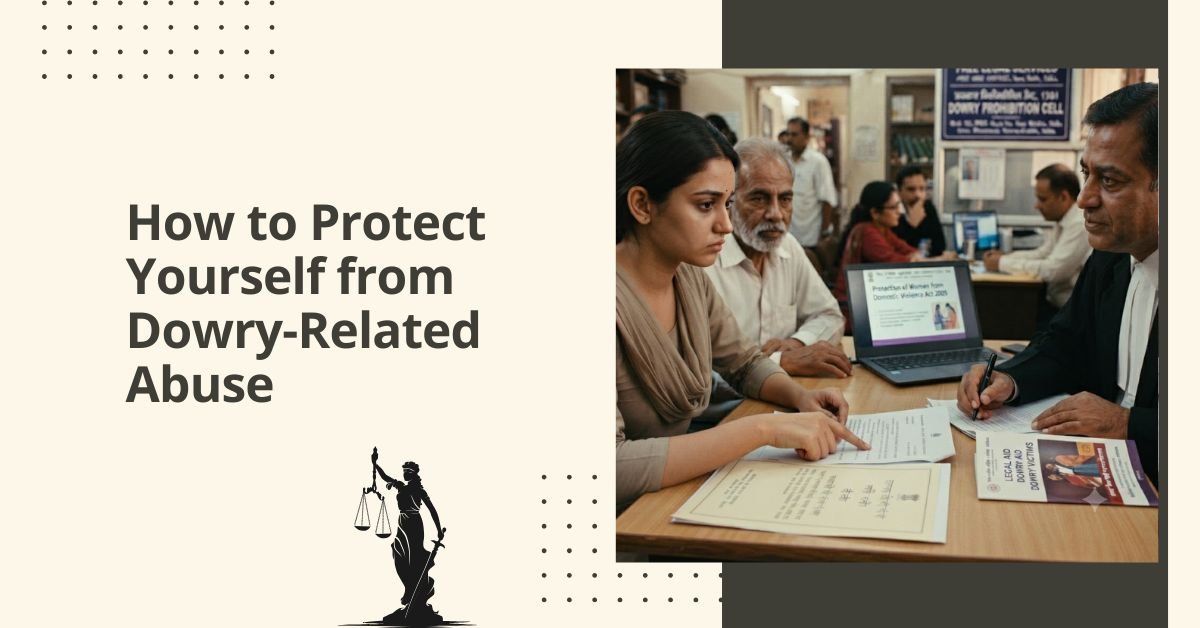
How to Protect Yourself from Dowry-Related Abuse Summary: This blog explains how dowry-related abuse can begin with repeated demands, emotional pressure, or threats after marriage, and why it is important to notice these warning signs early. It also covers the legal protections available in India, the kinds of evidence that can strengthen your case, and the immediate steps you can take to protect your safety, preserve your rights, and seek timely legal help before the situation becomes more serious. Dowry-related abuse often starts quietly. It may look like repeated “requests” for money, pressure for gifts, emotional humiliation, or controlling behavior from a spouse or in-laws. Over time, these demands can become threats, intimidation, physical harm, and deep psychological stress. In India, dowry is not only socially harmful; it is also addressed through clear legal protections under the Dowry Prohibition Act, 1961, the Protection of Women from Domestic Violence Act, 2005, and the Bharatiya Nyaya Sanhita, 2023. The most important thing to remember is that abuse does not need to become “serious enough” before you act. The earlier you document the problem, speak to trusted people, and seek legal help, the stronger your position becomes. A practical, step-by-step response can make a real difference in both safety and legal outcome. What Is Dowry-Related Abuse? Dowry-related abuse is any harassment, pressure, or cruelty connected to demands for dowry or additional gifts, money, property, or valuables after marriage. Under the Dowry Prohibition Act, giving, taking, or demanding dowry is prohibited, and demanding dowry is separately punishable. Indian law also treats cruelty by a husband or his relatives as an offence under Section 85 of the Bharatiya Nyaya Sanhita, 2023. This abuse is not always physical. It can be emotional pressure, repeated taunts, isolation, threats, denial of resources, or pressure to bring money from parents. In serious cases, dowry-linked cruelty can escalate into violence or even dowry death, which is specifically addressed under Section 80 of the Bharatiya Nyaya Sanhita, 2023. What Are The Early Warning Signs Of Dowry-Related Abuse? Some common warning signs include: Repeated pressure for money or expensive items after marriage, often described as “family expectations” or “normal adjustments.” Demands that keep changing and never seem to end, which may show the issue is about control rather than a one-time request. Emotional manipulation, such as guilt-tripping, blaming, or constant criticism. Threats of abandonment, separation, or being thrown out of the marital home. Insults or disrespect directed at your parents or family. Restrictions on communication, including being stopped from calling or meeting trusted people. Attempts to isolate you from your support system, friends, or relatives. Repeated humiliation, intimidation, or fear-based control, even if there is no physical violence. Any pattern of physical, emotional, verbal, sexual, or economic abuse, since the Domestic Violence Act recognises all of these forms of harm. What Does Indian Law Say About Dowry Harassment? The Dowry Prohibition Act, 1961 is the main law that bans giving, taking, or demanding dowry. Its structure is important because it treats the practice itself as unlawful, not just the violence that may follow. The law also makes the burden of proof significant in certain dowry prosecutions. The Protection of Women from Domestic Violence Act, 2005 gives an aggrieved person the right to approach the Magistrate for relief. The Act allows protection orders, residence-related relief, monetary relief, and other remedies through the court process. It also allows a Protection Officer to prepare a domestic incident report, which can be an important part of the record. Under the Bharatiya Nyaya Sanhita, 2023, cruelty by the husband or the husband’s relatives is punishable under Section 85, and dowry death is covered under Section 80. This matters because dowry harassment is no longer treated as a private family issue; it is a criminal and civil protection issue with specific legal remedies. What Steps Should You Take To Protect Yourself From Dowry Harassment?  Trust Your Instincts And Start Documenting The Abuse If the demands, threats, or humiliation are becoming routine, treat the situation seriously. Save messages, record dates, note what was said, and keep a simple incident diary. Small details often become powerful when they are arranged clearly later. The Indian evidence framework allows relevant facts and electronic records to be used in court, so preserving messages and documents early can help. Tell Someone You Trust And Focus On Your Immediate Safety Tell a trusted family member, close friend, or advisor what is happening. Abuse becomes harder to challenge when it stays hidden. If you are facing physical harm or immediate danger, move to a safer place and avoid being alone with the person causing the abuse if possible. If children are involved, keep their safety and routine in mind while planning the next steps. Speak To A Lawyer As Early As Possible If you need dowry harassment legal services, seeking legal guidance at the earliest stage can help safeguard your interests. Do not wait too long to speak to a lawyer. Early legal advice can help you decide whether to file a complaint, seek protection under the Domestic Violence Act, or prepare a criminal complaint supported by documents and witnesses. The right legal strategy depends on facts, timing, and the kind of abuse you are facing. Dowry demands after marriage should never be ignored, and taking timely action can help prevent the situation from becoming more serious.  Read more: What to Do If Your In-Laws Demand Dowry After Marriage? What Types Of Evidence Can Help You Prove A Dowry Harassment Case In India?  Good evidence does not always look dramatic. In many cases, the strongest proof is a combination of small items that tell the same story. WhatsApp chats, call logs, audio recordings where lawful, bank transfers, medical reports, witness statements, photographs, and written complaints can all help build a consistent case. Since relevant facts are admissible under Indian evidence law, preserving the original form of the record is important. Type Of Evidence Why It Helps WhatsApp Chats Shows written demands, threats, or repeated pressure
Read more
How to file an alimony petition in india: step-by-step guide

How to File an Alimony Petition in India: Step-by-Step Guide

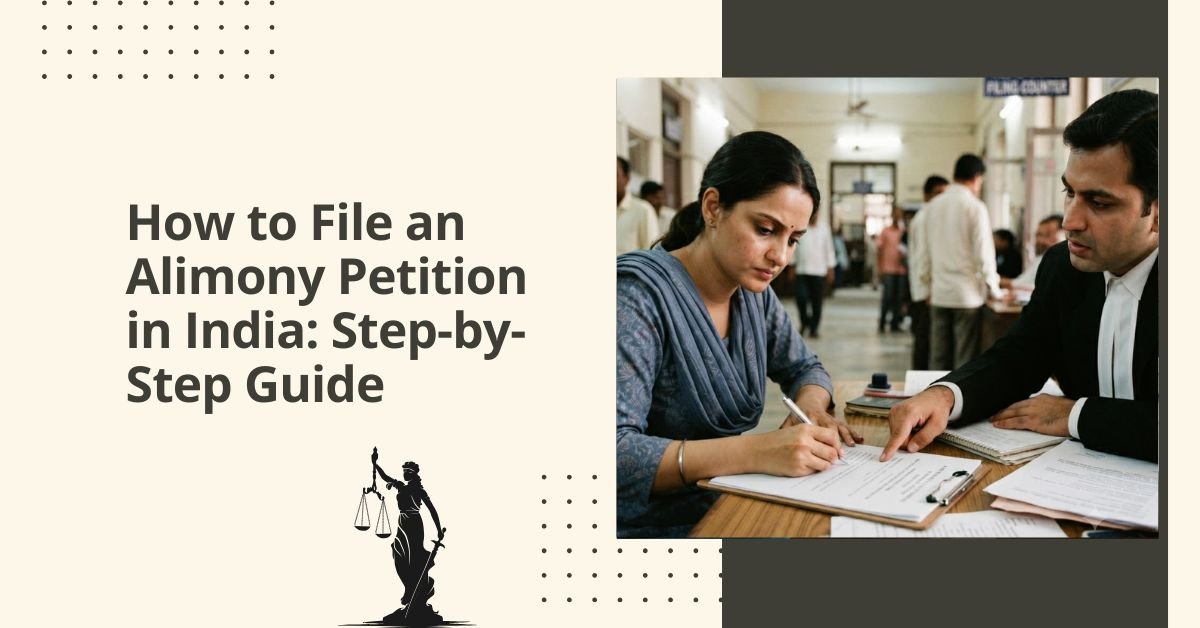
How to File an Alimony Petition in India: Step-by-Step Guide Summary : Filing an alimony petition can feel stressful, especially when you are already dealing with separation, divorce, or financial uncertainty. This guide explains what alimony means in India, who can claim it, which documents matter, how the filing process works, what the court looks at while deciding the amount, and the common mistakes you should avoid. Alimony is financial support that one spouse may be required to pay to the other after separation or divorce. In India, the exact remedy depends on the law governing the marriage and the facts of the case, so it is important to understand the legal basis before filing any petition. The amount, duration, and conditions of alimony are not fixed in every case. Courts look at income, needs, lifestyle, and other relevant circumstances before deciding whether support should be granted and how much should be paid. What Is Alimony Under Indian Law And How Does It Work? In India, the word “alimony” is often used in a broad, everyday sense, but the legal remedy may fall under different provisions depending on the marriage law and the facts of the case. Under the Hindu Marriage Act, courts can grant maintenance pendente lite and expenses during the case under Section 24, and permanent alimony and maintenance at the time of decree or even later under Section 25. For maintenance claims outside the Hindu Marriage Act route, the current criminal maintenance framework is now in the Bharatiya Nagarik Suraksha Sanhita, 2023, where Section 144 provides for maintenance of wives, children, and parents. Monetary relief can also be sought under the Protection of Women from Domestic Violence Act, 2005. Who Can Claim Alimony in India? The right to claim alimony or maintenance depends on the legal provision under which the relief is sought. Different laws apply in different situations, and the eligibility of the claimant depends on the facts of the case and the relationship between the parties. Under the Hindu Marriage Act, either spouse can seek interim maintenance or permanent alimony in the relevant matrimonial proceeding. Under BNSS Section 144, a wife who cannot maintain herself, as well as children and parents, may seek maintenance from a person with sufficient means who has neglected or refused to maintain them. Under the Domestic Violence Act, an aggrieved woman may ask for monetary relief, which can include expenses and losses connected to the violence or hardship suffered. What Are The Different Types Of Alimony In India? The court considers several important factors before deciding maintenance, as outlined below.  Interim Alimony Interim alimony, also known as temporary maintenance, is financial support granted while divorce or other matrimonial proceedings are still pending before the court. Its purpose is to help the financially dependent spouse meet essential living expenses and legal costs until the case is finally decided. This ensures that financial hardship does not prevent either party from pursuing or defending the legal proceedings. Permanent Alimony Permanent alimony is financial support awarded after the court passes a divorce decree or concludes the matrimonial proceedings. Depending on the facts of the case, the court may order the amount to be paid as a one-time settlement or through regular payments. Permanent alimony aims to provide long-term financial stability to a spouse who is unable to maintain the same standard of living independently after the marriage ends. Monthly Maintenance Monthly maintenance is a recurring payment made at regular intervals, usually every month, to support the day-to-day needs of the receiving spouse. It helps cover routine expenses such as housing, food, healthcare, education of children, utility bills, and other essential living costs. The amount may be revised later if there is a significant change in the financial circumstances of either party. Lump Sum Alimony Lump sum alimony is a one-time payment made instead of regular monthly maintenance. In this arrangement, the paying spouse settles the financial obligation through a single payment as directed or approved by the court. Many couples prefer this option because it provides financial certainty and avoids future disputes regarding recurring maintenance payments. What Documents Are Required To File An Alimony Petition In India? The following documents can help you organize the required records in a clear and practical way.  Identity Proof Identity proof helps the court verify who is filing the petition and ensures the claim is linked to the correct person. It also supports the basic authenticity of the case documents. Address Proof Address proof is used to show where the petitioner currently lives and helps determine which court has jurisdiction. It also confirms residence for notice and service purposes. Marriage Certificate A marriage certificate is important because it legally establishes that the parties were married. If it is unavailable, other valid proof of marriage may also be used. Divorce Petition Or Case Papers Divorce petitions or case papers show the present status of the matrimonial dispute. They help the court understand whether the matter is pending, contested, or already decided. Salary Slips / Income Proof Salary slips and other income proof help the court assess the earning capacity of the person from whom maintenance is sought. They are useful for deciding a fair and realistic amount. Bank Statements Bank statements give the court a clearer picture of regular income, savings, and spending habits. They can also reveal financial stability and hidden transactions. Income Tax Returns Income tax returns support the financial disclosure made before the court. They are often relied on to verify declared income and overall financial position. Property Papers Property papers help identify assets owned by either party and show the extent of financial resources available. They are useful when the court examines the ability to pay maintenance. Child-Related Expense Records Child-related expense records are important when children are involved in the case. They help show the actual cost of education, food, healthcare, and daily care. Medical Or Special Expense Proof Medical or special expense proof helps establish genuine financial need. These records are especially
Read more
How to protect your property in india while living abroad

How to Protect Your Property in India While Living Abroad?

How to Protect Your Property in India While Living Abroad? Living abroad comes with many advantages, but owning property in India while staying overseas can be challenging. Many NRIs struggle to keep track of their property due to distance, time zone differences, and lack of regular supervision. This often makes NRI-owned properties vulnerable to issues such as illegal occupation, fraud, tenant disputes, or poor maintenance. Protecting your property in India requires careful planning, proper legal documentation, and regular monitoring. By taking the right preventive steps, NRIs can avoid disputes, financial losses, and unnecessary stress. This guide explains practical and easy ways to safeguard your property in India while living abroad, ensuring peace of mind and long-term security. Why Is Property Protection Important for NRIs Living Abroad? For NRIs, owning property in India is often a long-term investment, a future retirement plan, or an emotional connection to home. However, living abroad makes it difficult to supervise the property regularly, which increases the risk of misuse and disputes. Without proper protection, even a legally owned property can become a source of stress and financial loss. One of the biggest concerns for NRIs is illegal possession or encroachment. Vacant or poorly monitored properties are more vulnerable to unauthorized occupation, especially when local oversight is missing. Recovering such properties can be time-consuming and legally complex, often requiring court intervention. Failure to stay updated on legal, tax, and compliance requirements such as property tax payments, income tax on rent, or changes in local laws can result in penalties and legal complications. Proactively protecting your property ensures that ownership remains secure, the investment retains its value, and you enjoy peace of mind while living overseas. What Are the Common Property Risks Faced by NRIs in India? Illegal possession or encroachmentVacant or unattended properties are often targeted for unauthorized occupation. Without regular checks, NRIs may discover encroachment only when it becomes legally complicated to resolve. Property fraud and forged documentsFraudsters may attempt to sell, lease, or mortgage NRI-owned property using fake ownership papers or forged Power of Attorney, taking advantage of the owner’s absence. Unauthorized sale or rental of propertyIn some cases, relatives, caretakers, or third parties may illegally rent out or sell the property without the NRI’s consent, leading to financial and legal disputes. Lack of regular maintenance and upkeep Without proper supervision, minor repair issues such as water leakage, electrical faults, or structural damage can worsen, reducing the property’s value over time. Legal and documentation issuesOutdated property records, unclear titles, or unresolved inheritance matters can lead to ownership disputes and lengthy legal procedures. Delayed response to property issuesDistance and time-zone differences often cause delays in addressing problems, making even small issues more expensive and complex to fix later. How Can NRIs Verify Property Ownership and Legal Documents? Verifying property ownership and legal documents is the first and most important step for NRIs to protect their property in India. Since you are not physically present, ensuring that all documents are genuine and updated reduces the risk of fraud, disputes, and illegal transactions. Here are the key steps NRIs should follow: 1. Check the Title Deed and Ownership Records The title deed is the most important document that proves ownership. NRIs should verify that the title deed is in their name and is free from any disputes or liens. It is also important to check the property’s chain of ownership (history of previous owners) to ensure there are no legal complications. 2. Verify Property Registration and Sale Deed The sale deed should be registered with the local sub-registrar office. NRIs must confirm that the sale deed is legally registered and that there are no pending registration issues. You can verify the registration status through the online land record portal of the respective state. 3. Ensure Mutation and Tax Records Are Updated Mutation is the process of updating the property owner’s name in the municipal records. NRIs should ensure that the property is mutated in their name and that property tax payments are updated. This helps prevent disputes and confirms ownership in local records. 4. Cross-Check Encumbrance Certificate (EC) The Encumbrance Certificate (EC) is a crucial document that confirms the property is free from legal liabilities such as mortgages, loans, or legal disputes. NRIs should request an EC for the last 13-30 years to confirm there are no pending dues or legal issues. 5. Verify Power of Attorney (POA) Carefully If you appoint a local representative using a Power of Attorney, ensure it is legally valid, registered, and clearly defines the scope of authority. NRIs should avoid giving unlimited power and should always keep a copy of the POA document. 6. Confirm All Approvals and NOC Verify that the property has all required approvals such as building plan approval, occupancy certificate, and NOC (No Objection Certificate). For apartments, check if the society is legally registered and has all necessary permissions. 7. Maintain Digital Copies and Records NRIs should keep scanned copies of all property documents stored securely online (cloud storage). This helps in quick verification and prevents loss of documents. Why Is Property Insurance Important for NRI-Owned Properties? Risk Protection from Afar: Since NRIs cannot supervise their property daily, insurance acts as a safety net against unexpected events like fire, floods, earthquakes, or vandalism. Safeguards Investment Value: It covers the cost of repairing or rebuilding the property, helping maintain its value even after major damage. Coverage for Belongings: Comprehensive plans also protect items inside the home, such as furniture, appliances, and electronics, against theft or damage. Liability Protection: Insurance helps cover legal liabilities if a tenant or visitor gets injured on the property due to negligence. Support for Alternative Accommodation: Some policies cover rental expenses if the property becomes uninhabitable after damage. Peace of Mind and Legacy Protection: It ensures that your valuable asset or family legacy remains protected, even without your physical presence in India. Who Should Manage Your Property in India When You Live Abroad? When you live abroad, managing property in India becomes difficult
Read more
What are the property rights of a wife after divorce in india?

What Are the Property Rights of a Wife After Divorce in India?

What Are the Property Rights of a Wife After Divorce in India? Summary: This comprehensive guide explores the property rights available to divorced women in India, covering Hindu, Muslim, Christian, and Parsi personal laws. Divorced women can claim maintenance, stridhan (gifts and jewellery received before and during marriage), and share in jointly acquired property. While they generally cannot inherit from their ex-husband’s family property after divorce, specific rights exist under different religious laws including permanent alimony, division of marital assets, and protection of pre-marital property. Understanding these rights empowers women to secure their financial independence post-divorce. Divorce remains a challenging life event, and for women in India, understanding their property rights becomes crucial for financial security and independence. With changing social dynamics and evolving legal frameworks, divorced women in India have several protections under various personal laws and civil legislation. This guide provides a detailed overview of property rights available to divorced women across different religious communities in 2025, helping women navigate their legal entitlements with confidence. Understanding Property Rights Under Hindu Law Rights During Marriage and After Divorce Under the Hindu Marriage Act, 1955, and the Hindu Succession Act, 1956, divorced Hindu women have specific property rights. While a divorced woman loses her right to inherit from her ex-husband’s ancestral or self-acquired property after divorce, she retains certain important rights. Stridhan Rights: A divorced Hindu woman has absolute rights over her stridhan, which includes all gifts, jewellery, and property given to her before marriage, during the wedding ceremony, and throughout the marital life. This property belongs exclusively to her and cannot be claimed by her ex-husband or his family. Maintenance and Alimony: Section 25 of the Hindu Marriage Act allows courts to grant permanent alimony or maintenance to the wife. This can be paid as a lump sum amount or as monthly payments, depending on the husband’s income and the wife’s needs. Share in Jointly Acquired Property: If property was purchased jointly during the marriage or if the wife contributed financially to acquiring property, she can claim her rightful share even after divorce. Property Rights Under Muslim Personal Law Muslim women seeking divorce have distinct rights under Islamic law and statutory provisions. Mehr Amount: A divorced Muslim woman is entitled to receive the full mehr (dower) amount promised to her at the time of marriage if it hasn’t been paid already. This is her fundamental right and cannot be denied. Maintenance During Iddat Period: Under Section 125 of the Code of Criminal Procedure and the Muslim Women (Protection of Rights on Divorce) Act, 1986, a divorced Muslim woman is entitled to maintenance during the iddat period (approximately three months) following the divorce. Property Given as Gifts: Any property, jewellery, or assets gifted to the woman during her marriage remain her exclusive property and must be returned to her after divorce. Rights of Christian and Parsi Women Indian Divorce Act and Parsi Marriage and Divorce Act Christian women governed by the Indian Divorce Act, 1869, can claim permanent alimony from their husbands. Courts consider factors such as the husband’s earning capacity, the wife’s financial situation, the standard of living during marriage, and the conduct of both parties when determining alimony. Parsi women under the Parsi Marriage and Divorce Act, 1936, have similar rights to maintenance and can claim a share of the property acquired during marriage, especially if they contributed to its acquisition. Rights Under Special Marriage Act Couples married under the Special Marriage Act, 1954, regardless of religion, are entitled to maintenance and property division as per this secular law. The court has wide discretion to grant permanent alimony and maintenance considering all circumstances of the case. Protection of Women’s Property Rights Legal Safeguards The Protection of Women from Domestic Violence Act, 2005, provides additional protection to divorced women. Under this Act, women can claim the right to reside in the shared household and seek monetary relief for financial abuse. Residence Rights: Even after divorce, a woman may have the right to continue living in the matrimonial home, especially if she has custody of children or no alternate accommodation. Division of Assets: Courts increasingly recognize the non-monetary contributions of homemakers and may order equitable distribution of marital assets even if the property is solely in the husband’s name. Factors Courts Consider While Deciding Property Claims When deciding property-related claims after a divorce, Indian courts examine the facts and circumstances of each case rather than applying a fixed rule. Some of the key factors considered by the court include: Ownership of the Property – The court first determines who legally owns the property by examining title deeds, sale agreements, and other ownership documents. Whether the property is owned solely by one spouse or jointly by both significantly affects the final decision. Type and Nature of the Property – Courts distinguish between self-acquired property, jointly owned property, ancestral property, inherited property, and Stridhan. Different legal principles apply to each type of property, and ownership rights vary accordingly. Financial Contribution of Each Spouse – The court may consider whether either spouse contributed financially toward purchasing, constructing, renovating, or maintaining the property. Evidence such as bank statements, loan repayments, and investment records may be taken into account. Income and Financial Position of Both Spouses – The financial condition of each spouse, including salary, business income, assets, liabilities, and earning capacity, is assessed to understand their ability to support themselves after the divorce. Maintenance and Alimony Arrangements – Existing or proposed maintenance and alimony obligations may influence the overall financial settlement. Courts aim to ensure that financial support and property-related claims together result in a fair outcome. Evidence and Supporting Documents – Courts rely on documentary evidence such as property registration papers, sale deeds, loan documents, tax records, bank statements, and other financial records before deciding any property claim. Steps to Protect Your Property Rights Understanding your rights is only the first step. Here’s how divorced women can protect their interests: Document Everything: Maintain records of all gifts received, financial contributions to property
Read more

Decision Are A Professional Attorney & Lawyers Services Provider Institutions. Suitable For Law Firm, Injury Law, Traffic Ticket Attorney, Legacy And More.

Contact Info

+(002) 0121-2843-661
+(002) 0106-8710-594
AR-Coder@arcoder.com
Support@arcoder.com
Menouf City , El-Menoufia, Egypt.
Shibin El-Kom , El-Menoufia, Egypt.

Follow Us

Click to Call